
Sex workers are in crisis. Not because of the work itself, but because of the laws, stigma, and isolation that make it dangerous to survive-let alone thrive. In cities like Paris, where an escort massage paris service might be one of the few options for income, people are being pushed further into the shadows. Police raids, platform bans, and lack of healthcare access are not abstract issues-they’re daily threats. And when you’re cut off from family, housing, and legal protection, who do you turn to? The answer isn’t more policing. It’s each other.
Some turn to online networks for survival. A few even find temporary safety through services like paris sex model, where visibility can mean access to safer clients and peer support. But these are band-aids on a wound that needs systemic care. Real protection doesn’t come from algorithms or ads. It comes from community. From people showing up-without judgment-for those who are most vulnerable.
1. Build peer-led safety networks
When you’re working alone, especially at night or in unfamiliar places, having someone you can text before and after a meeting can be the difference between life and death. In cities like Sydney, Melbourne, and now even Paris, sex workers are forming WhatsApp groups and local meetups just to check in. These aren’t fancy apps or funded programs-they’re just people sharing addresses, warning about violent clients, and sending help when someone doesn’t respond. No one is asking for permission. They’re just doing what’s needed.
2. Share harm reduction tools
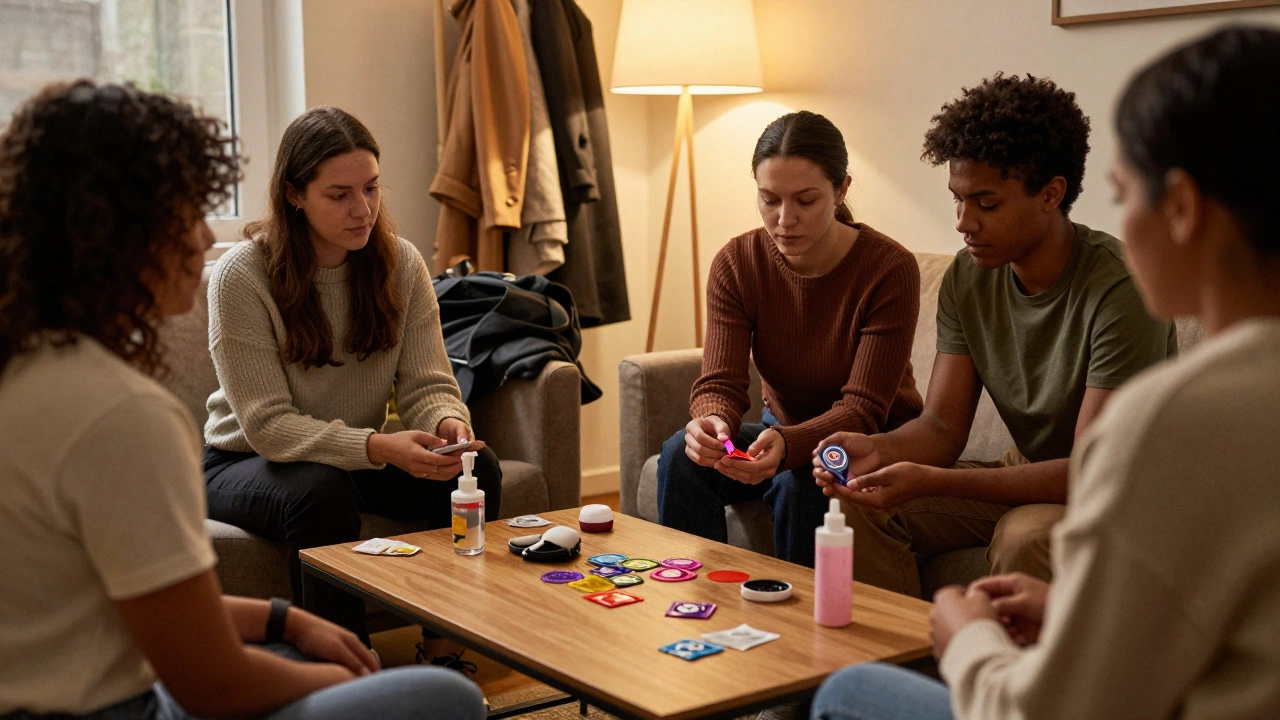
Condoms, lube, and safe sex education matter. But so do things like phone blockers, panic buttons, and emergency codes. Many sex workers now carry small devices that automatically send their location and a distress message to three trusted contacts if they don’t tap the button within 30 seconds. Some keep a pre-written text message that says, ‘I’m running late-call me if I don’t reply by 11.’ These aren’t paranoid habits. They’re survival tactics. If you’re not a sex worker, you can still help: donate supplies, learn how to use these tools, and spread the word in your own networks.
3. Push for decriminalization-not legalization
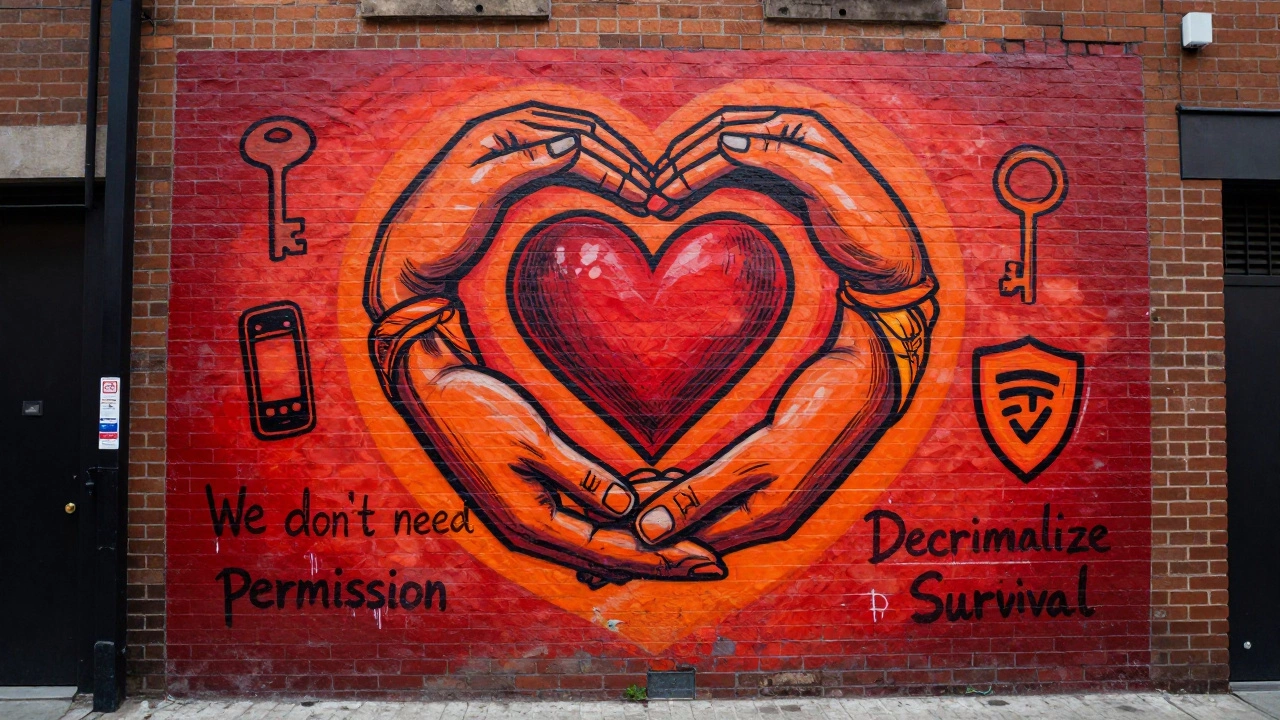
Legalization often means regulation that pushes people out. Think of it like this: legal brothels require ID checks, health certificates, and zoning permits. But what if you’re undocumented? Homeless? Trans? You’re left behind. Decriminalization removes criminal penalties for selling sex. It doesn’t require permission slips. It just says: you’re not a crime. In New Zealand, decriminalization led to a 60% drop in violence against sex workers within five years. That’s not a theory. That’s data. And it’s repeatable.
4. Support sex worker-led organizations
There are groups run by current and former sex workers everywhere-from Vancouver to Vienna, from Johannesburg to Perth. They run food pantries, legal clinics, and housing programs. They don’t ask for your pity. They ask for your trust. Don’t donate to charities that speak for them. Donate to ones led by them. Organizations like SWOP (Sex Workers Outreach Project) or Red Umbrella Fund have been doing this for decades. They know what’s needed because they’ve lived it.
5. Challenge the myths that hurt us all
‘All sex workers are trafficked.’ ‘They chose this life.’ ‘It’s just sex.’ These aren’t neutral statements. They’re weapons. They erase agency. They justify violence. They make it harder to get help when you need it. The truth is messy: some people choose sex work because it pays better than retail or cleaning jobs. Others do it because they have no other options. Both are valid. Both deserve safety. You don’t have to understand every choice to protect the person making it.
6. Offer practical help-not rescue
When someone says they need a place to stay for a few nights, don’t ask why. Just say yes. When someone needs a ride to the clinic, drive them. When someone needs someone to sit with them while they file a police report, be there. You don’t need to fix their life. You just need to be present. Rescue narratives-where outsiders ‘save’ sex workers-are often more harmful than helpful. They reinforce power imbalances. Mutual aid flips that: we help because we’re in this together.
7. Stop talking. Start listening.
Too many conversations about sex work happen without sex workers in the room. Panels, documentaries, policy meetings-they’re full of experts who’ve never sold sex. Listen to the people on the ground. Read their blogs. Follow their TikTok accounts. Attend their public forums. Let them lead. The solutions aren’t hidden in think tanks. They’re in the stories shared over coffee, in group chats, in the quiet moments after a shift ends.
Paris sex is not a fantasy. It’s a reality for thousands of people trying to survive in a system that sees them as disposable. And while an escort massage paris service might be one way someone finds income, it’s not the whole story. The real story is how we choose to respond. Do we look away? Or do we build something better-together?