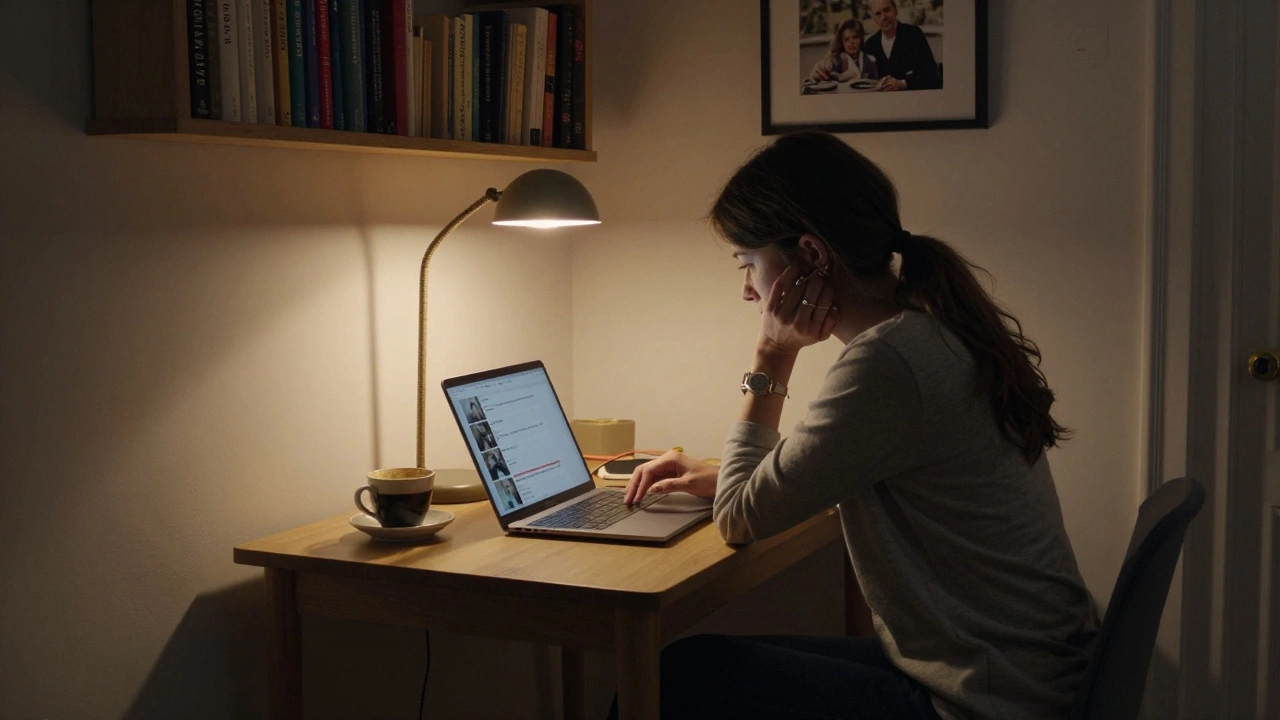
Paris isn’t just about the Eiffel Tower, croissants, and street musicians. Beneath the postcard charm, there’s a quieter, more complex layer of life - one that includes people offering companionship for pay. The term escorts in Paris gets thrown around like a romantic fantasy, but the truth is far more grounded. These aren’t characters from a movie. They’re real women - and some men - navigating work, safety, and independence in one of the world’s most demanding cities.
Some turn to this line of work after losing jobs in hospitality or retail. Others see it as flexible income that lets them travel, study, or support family back home. If you’re curious about what this actually looks like, you can read more about how it operates in practice at scorte paris. But be clear: this isn’t a glamorous lifestyle for most. It’s work. Hard, unpredictable, and often isolating.
Who Are the Women Behind the Title?
The stereotype of the French escort girl Paris always seems to be tall, chic, and effortlessly elegant. The reality? They come from everywhere. Poland, Romania, Brazil, Senegal, Ukraine, Morocco. Some speak fluent French; others are still learning. Many live in small apartments in the 18th or 19th arrondissements, far from the glitter of Champs-Élysées. They’re students, single mothers, artists, and former nurses. Their reasons for working in this space are as varied as their backgrounds.
One woman I spoke with - let’s call her Lina - moved to Paris from Bucharest two years ago. She studied French at night while working during the day. After six months, she switched to escorting because it paid three times more than cleaning hotel rooms. "I don’t like it," she told me. "But I like having control over my time. I choose who I meet. I set the rules. That’s more than most jobs give me."
The Legal Gray Zone
Prostitution itself isn’t illegal in France. But soliciting in public, running a brothel, or pimping are. That creates a strange legal environment. Escorts in Paris operate in the shadows. They use apps, private websites, and word-of-mouth referrals. They rarely work on the street. The police don’t arrest them - they go after organizers, not individuals. That’s the law. In practice, it means the women bear all the risk while the people profiting off them stay hidden.
There’s no official registry. No union. No health checks required by law. Some do get tested regularly on their own. Others don’t. The lack of structure makes safety a daily concern. Many use coded language when booking. "Coffee at 7?" means a one-hour visit. "Dinner and a movie" could mean a full night. They’ve learned to read between the lines - not just for money, but for danger.
The Digital Shift
Ten years ago, escorts in Paris relied on flyers in metro stations or phone numbers hidden in magazines. Now, it’s all online. Platforms like Backpage (before it shut down), Reddit threads, and private Telegram groups replaced the old ways. Today, most use discreet websites where profiles include photos, rates, and availability. Some even have Instagram accounts with carefully curated content - no nudity, just fashion, travel, and coffee dates.
Payment is mostly cash or cryptocurrency. Bank transfers are risky. They leave traces. Many avoid PayPal or Stripe entirely. One escort I met said she uses Monero because it’s untraceable. "I don’t want my landlord knowing I make €2,000 a week," she said. "I want to pay rent without questions."
Why the Myth Persists
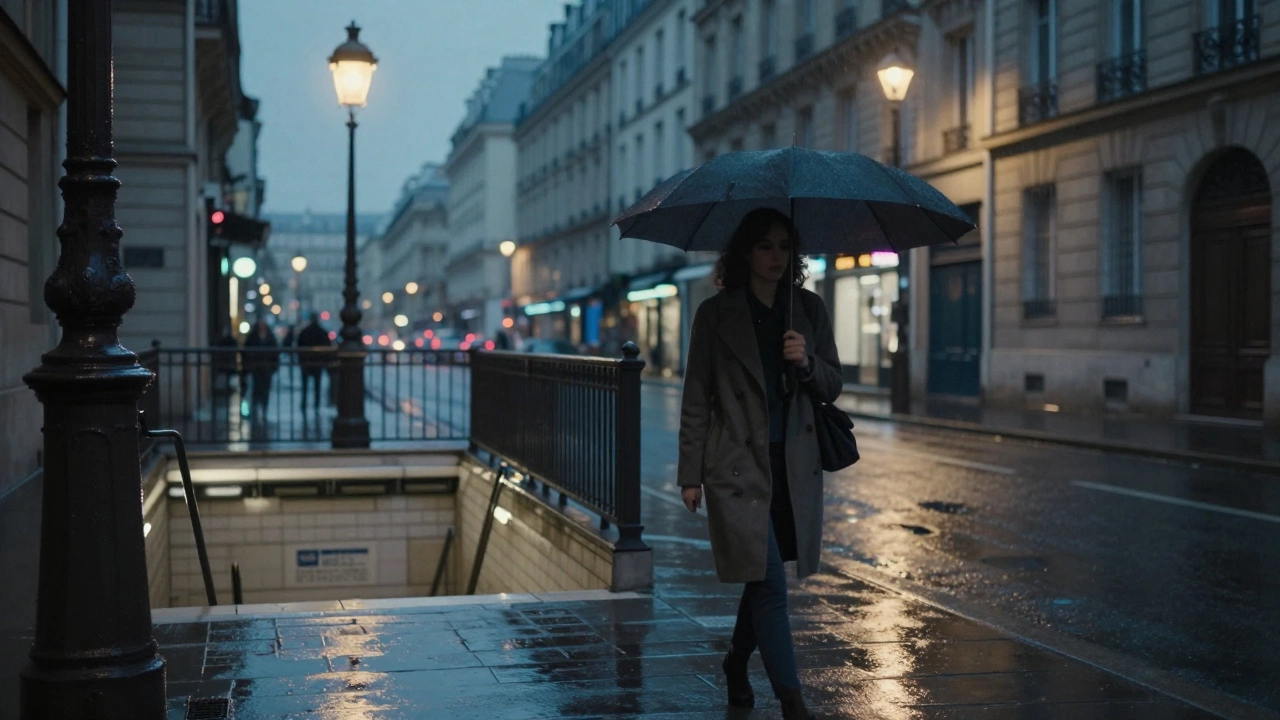
Why does the idea of the French escort girl Paris still capture imaginations? Partly because of media. Movies like *American Hustle* or *La Vie en Rose* paint Paris as a city of seduction and secrets. Tourist brochures hint at it. Blogs sell "Parisian romance" packages. The truth? Most clients aren’t looking for love. They’re lonely businessmen, expats missing home, or men who don’t know how to connect outside of transactional settings.
The romanticization does real harm. It makes people assume these women are willing participants in a fantasy. That they’re all happy, confident, and in control. Some are. Many aren’t. The myth blinds people to the exploitation, the burnout, the mental health toll. It turns human beings into decoration.
What It’s Really Like to Work as an Escort in Paris
Here’s what no one tells you: it’s exhausting. You’re always on. You smile even when you’re tired. You pretend to be interested in someone’s boring job story because they paid for that. You learn to say "no" without sounding rude. You memorize which neighborhoods are safe after dark. You avoid men who ask for too much - too many favors, too many photos, too many drinks.
Some clients become regulars. A few even send gifts - flowers, books, chocolates. A few become friends. But most are anonymous. They come, they go. You never know their real names. You never ask. That’s the unspoken rule.
And then there’s the loneliness. You’re surrounded by people every day, but you can’t tell anyone what you do. Not your family. Not your friends. Not even your therapist, if you have one. You build a life in silence.
What Happens When You Want Out?
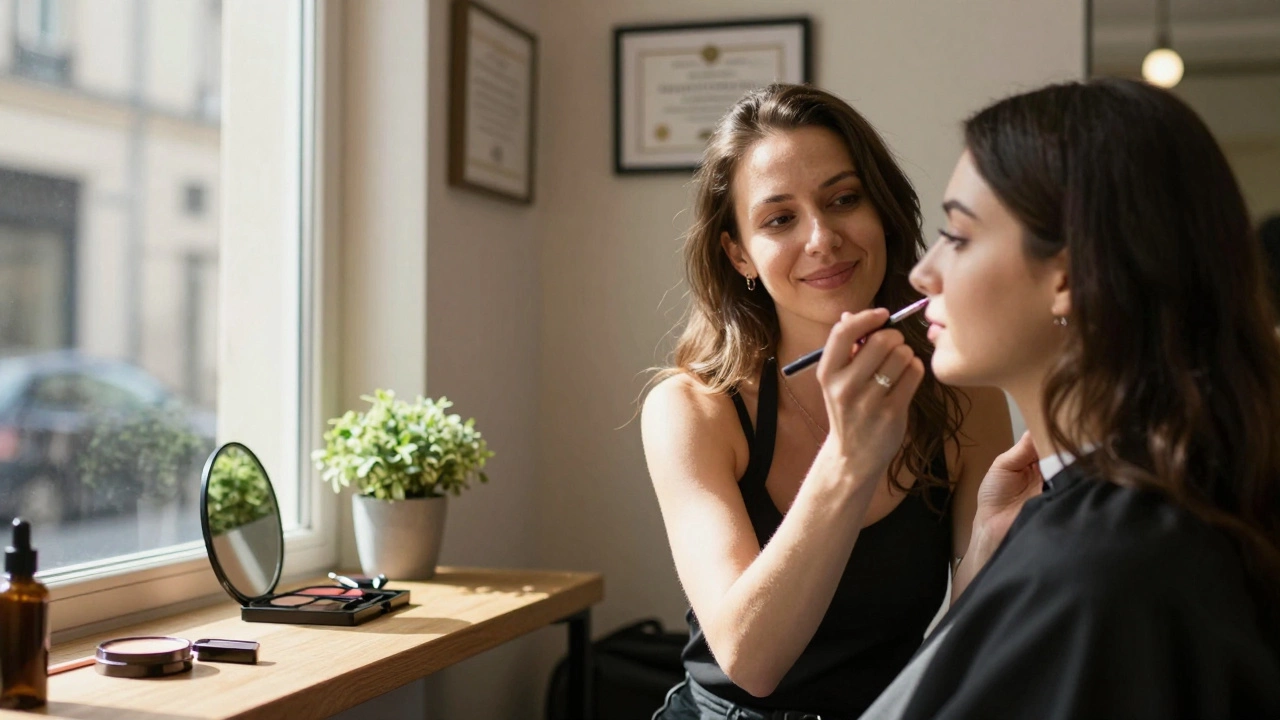
Leaving isn’t easy. Many have no savings. No formal work history. No references. Some have been doing this for years. They don’t know how to apply for a job as a receptionist or a barista. One woman I met spent six months in a nonprofit program that helped former escorts get certified in cosmetology. She now runs a small salon in Montmartre. "I didn’t want to be invisible anymore," she said.
There are organizations in Paris that help - like Le Refuge and Emmaüs. But they’re underfunded. Most women don’t even know they exist. The system doesn’t reach them.
Why This Matters Beyond Paris
What happens in Paris reflects what’s happening everywhere. In Berlin, in Barcelona, in London. The demand for paid companionship isn’t going away. The people providing it aren’t going away either. The question isn’t whether this work exists. It’s whether we’re willing to see the humans behind it.
Calling them "escorte sexe paris" or "escoet girl paris" reduces them to a keyword. To a search result. To a fantasy. But they’re not keywords. They’re people. With fears. With dreams. With moments of quiet pride when they pay their rent on time or buy their kid a new pair of shoes.
The city of Paris doesn’t owe them romance. It owes them dignity. And maybe, just maybe, a real chance to choose something else.